Custom Orthotics vs Off-The-Shelf Insoles: What’s Best for Plantar Fasciitis?
That sharp heel pain when you first get out of bed is something many people know all too well. The first few steps feel stiff, sore, or almost impossible, only for the pain to ease slightly once you move around.
In many cases, this points to plantar fasciitis, one of the most common causes of heel pain.
The good news is that most people improve with the right support, better footwear, and a realistic recovery plan. The bigger question is often whether standard cushioned insoles are enough or if custom orthotics are worth the investment.
What Is Plantar Fasciitis?
Plantar fasciitis happens when the plantar fascia becomes irritated or overloaded.
The plantar fascia is the thick band of tissue running along the bottom of your foot from the heel to the toes. It helps support the arch and absorbs pressure when walking or standing.
Common Causes of Plantar Fasciitis
- Poor footwear
- Tight calf muscles
- Sudden increases in activity
- Long hours standing on hard floors
- Flat feet or overpronation
- Very high arches
- Unsupportive trainers or worn shoes
The most common symptom is sharp heel pain first thing in the morning or after periods of rest.
When Off-The-Shelf Insoles Can Help
For mild or early-stage plantar fasciitis, standard cushioned insoles can sometimes provide enough support to reduce discomfort.
These inserts mainly improve shock absorption and add some cushioning under the heel and arch.
Benefits of OTC Insoles
- Affordable
- Easy to buy quickly
- Helpful for temporary relief
- Useful while waiting for assessment
- Comfortable in supportive shoes
People with generally good foot alignment may benefit from simple cushioning alone, especially during the early stages of plantar fascia irritation.
The Limitations of Generic Insoles
The biggest issue with off-the-shelf inserts is that they are designed for the average foot rather than your foot specifically.
Common Problems with Generic Insoles
- Arch support may not match your foot shape
- Heel support may be too shallow
- Foam can flatten quickly
- Limited correction for overpronation
- May not address the root cause of pain
For some people, cushioning alone is not enough because the real issue involves foot mechanics and alignment.
What Makes Custom Orthotics Different?
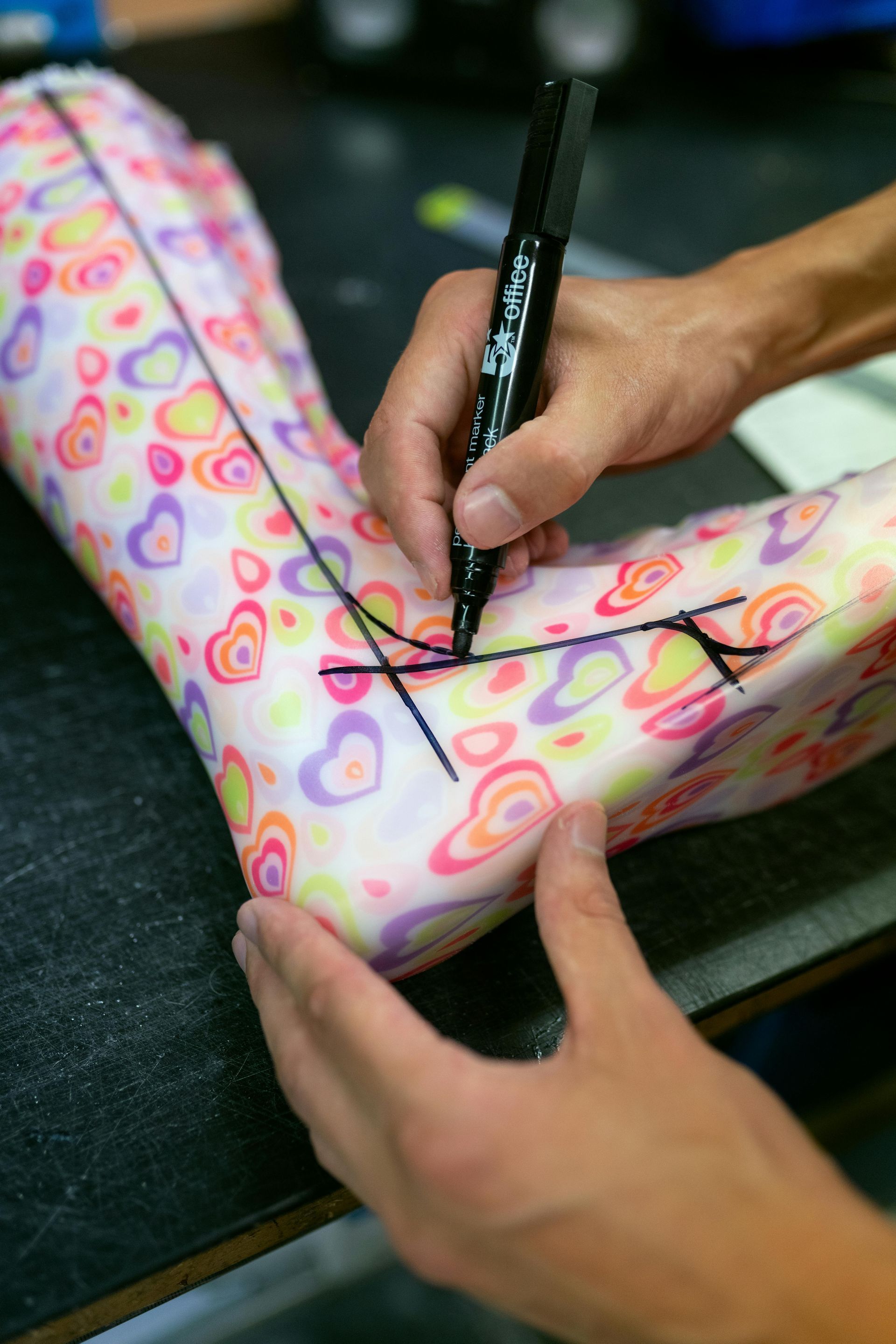
Custom orthotics are made specifically for your feet based on how you stand, walk, and distribute pressure.
At Foot Solutions Plymouth assessments include gait analysis, pressure mapping, and advanced 3D scanning to understand exactly how the foot functions during movement.
What Custom Orthotics Can Help With
- Persistent plantar fasciitis
- Flat feet
- High arches
- Overpronation
- Long periods of standing
- Repeated heel pain flare-ups
- Knee, hip, or back discomfort linked to foot alignment
Unlike generic insoles, custom orthotics are designed to control movement, support the arch properly, and reduce strain on the plantar fascia itself.
Why Gait Analysis Matters
Many cases of plantar fasciitis involve movement patterns that place repeated stress on the heel and arch.
This is where professional gait analysis in Plymouth becomes valuable.
A Gait Assessment Can Identify
- Pressure distribution problems
- Overpronation patterns
- Imbalances during walking
- Arch collapse
- Uneven loading through the foot
Understanding how the body moves helps create more effective support rather than simply masking symptoms.
How 3D Foot Scanning Helps Orthotic Fitting
Modern orthotics are no longer based on rough estimates or basic impressions.
At Foot Solutions Plymouth, advanced 3D foot scanning technology creates a highly detailed model of your foot shape and pressure points.
Benefits of Digital Foot Scanning
- Accurate arch measurement
- Improved fit
- Better pressure distribution
- More precise support design
- Increased comfort in daily use
This level of precision often makes a noticeable difference for people with ongoing heel pain.
Breaking In Orthotics Properly
Even perfectly fitted orthotics need a gradual adjustment period.
Helpful Break-In Tips
- Wear them for 1 to 2 hours initially
- Increase wear time gradually
- Use them during normal walking first
- Pair them with supportive footwear
- Continue calf and plantar fascia stretches
A mild awareness in the arch is normal at first, but sharp pain should always be checked.
Choosing the Right Shoes Matters Too
Orthotics work best when paired with stable, supportive footwear.
Good Shoes for Orthotics Usually Have
- Removable insoles
- Firm heel counters
- Stable midsoles
- Proper depth
- Enough toe room
Worn-out trainers or unsupportive flat shoes often make plantar fasciitis harder to settle.
How Long Do Orthotics and Insoles Last?
The lifespan depends on materials, activity levels, and daily use.
Typical Lifespans
Off-The-Shelf Insoles
Often last only a few months before cushioning compresses.
Custom Orthotics
Usually last significantly longer and can often transfer between compatible shoes.
Many people find custom support becomes more cost-effective over time because they continue working properly long after generic inserts flatten.
Realistic Recovery Expectations
Plantar fasciitis rarely disappears overnight.
Most people improve gradually over several weeks with consistent support and reduced strain on the fascia.
Typical Recovery Timeline
- Mild cases: several weeks
- Moderate cases: 6 to 12 weeks
- Long-standing cases: several months
Consistency matters more than quick fixes.
So Which Is Better for Plantar Fasciitis?
The answer depends on the severity and cause of your symptoms.
Off-The-Shelf Insoles May Be Enough If:
- Pain is recent or mild
- You mainly need cushioning
- Your foot mechanics are fairly stable
Custom Orthotics Are Usually Better If:
- Pain keeps returning
- Symptoms have lasted months
- You stand all day for work
- You have flat feet or high arches
- Generic insoles have failed
In many persistent cases, custom support helps address the mechanical stress causing the plantar fascia irritation in the first place.
For people needing personalised support, custom orthotics designed from scan data can provide a more targeted long-term solution.
FAQ
What insoles do the NHS recommend for plantar fasciitis?
NHS guidance typically recommends supportive footwear, stretches, and cushioned insoles during early treatment.
What is the worst thing for plantar fasciitis?
Ignoring heel pain while continuing to wear unsupportive shoes or suddenly increasing activity levels can worsen symptoms.
Are custom orthotics worth it?
For persistent pain, poor foot mechanics, or long hours standing, custom orthotics are often worthwhile because they provide tailored support.
How long does plantar fasciitis take to heal?
Many people improve within 6 to 12 weeks, although chronic cases may take longer.
Can gait analysis help heel pain?
Yes. Gait analysis can identify movement patterns and pressure problems contributing to plantar fascia strain.
Take the First Step Toward Heel Pain Relief
Morning heel pain can gradually affect walking, work, exercise, and everyday comfort if left untreated. The right support, footwear, and assessment can make a major difference before the problem becomes chronic.
At Foot Solutions Plymouth, free foot assessments combine gait analysis, pressure mapping, and professional fitting to help identify the most effective solution for your feet.
Whether you need temporary cushioning or fully customised orthotics, getting the right advice early can help you recover more comfortably and avoid repeated flare-ups.
Contact us today.