How Long Does Plantar Fasciitis Take to Heal? Recovery Timelines and What Speeds It Up
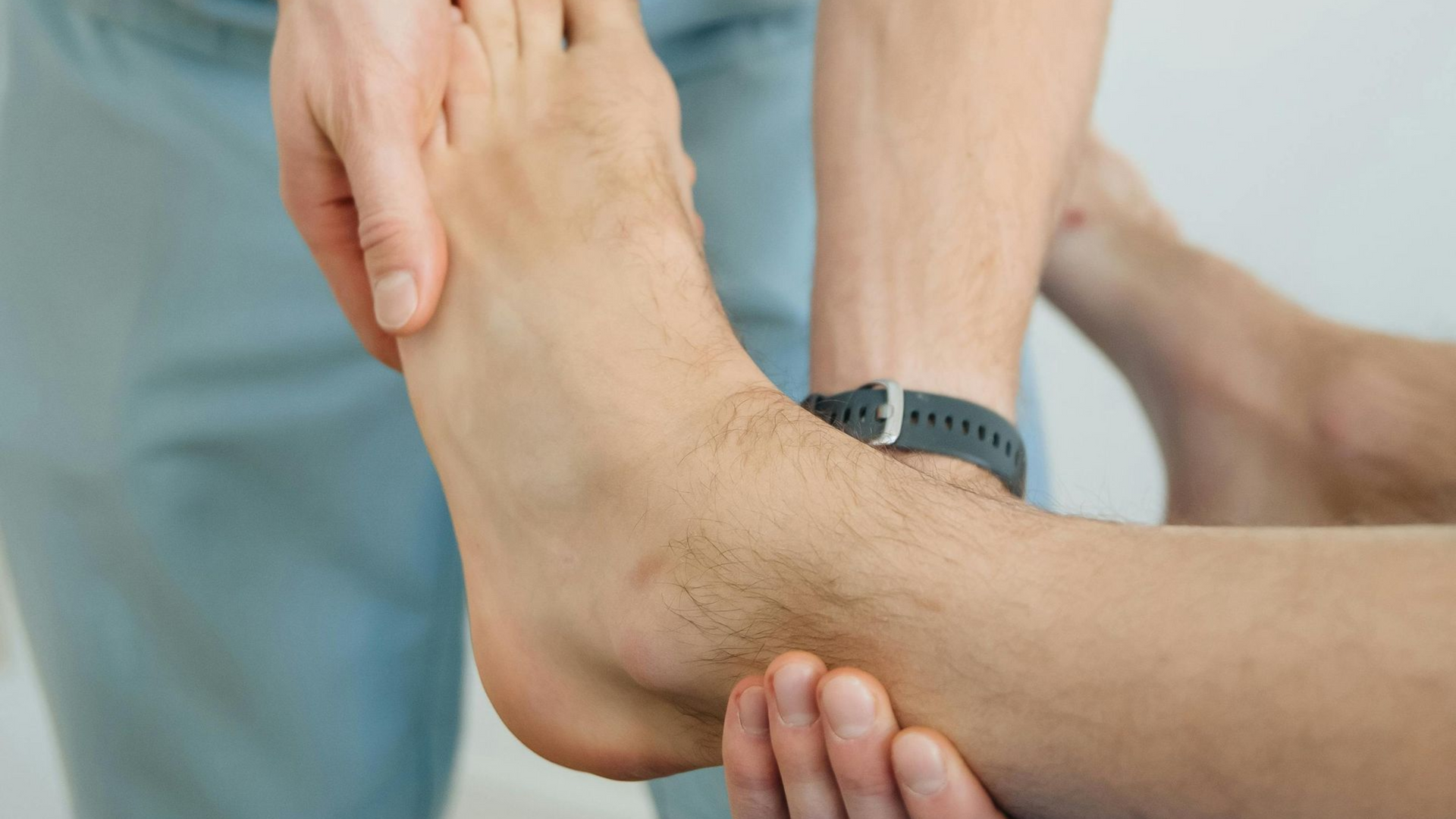
Plantar fasciitis has a nasty habit of turning a normal day into a negotiation with your heel. You wake up, take those first steps, and the pain reminds you it is still there. Then it eases, so you carry on, and later it flares again. That pattern makes people ask the same question again and again.
How long does plantar fasciitis take to heal?
The honest answer is that recovery time varies, but you can still have a clear plan. Most people improve with the right approach, and many recover fully. The difference is often down to how early you act, how consistent you are, and whether you remove the causes that keep irritating the tissue.
This guide explains realistic timelines, what affects healing, what helps you improve faster, and when it is time to get assessed. It also shows how Foot Solutions Plymouth supports recovery with a free foot assessment, gait analysis, supportive footwear advice, and orthotics tailored to your feet.
The honest answer: plantar fasciitis healing time varies
Typical recovery ranges from early improvement to full resolution
Plantar fasciitis often improves within a few weeks once you reduce the irritation and support the foot properly. For many people, meaningful improvement happens within six to twelve weeks. If symptoms have been present for months or if the pain has become a recurring problem, recovery can take longer and may stretch into several months.
That range is not meant to discourage you. It is meant to prevent the common trap where someone expects it to disappear in a week, then gets frustrated, gives up, and keeps re-inflaming the tissue.
The NHS describes plantar fasciitis as heel pain that is common and often improves with simple steps such as rest from aggravating activity, stretching, and supportive footwear. Patient information resources also note that it can take weeks to months, especially if symptoms have been present for a long time.
Why does the pain feel better before the tissue is fully settled?
A tricky part of plantar fasciitis is that pain can reduce before the tissue is fully healed. You might have a few good days, feel confident, then do a longer walk or wear unsupportive shoes, and the pain returns.
That does not mean you are back to square one. It often means the tissue is still sensitive to load, and it needs a gradual return to activity. Think of it like a small burn. It might stop hurting, but it still needs time before it can cope with friction again.
When heel pain stops being normal soreness and needs attention
Heel pain that lingers, keeps returning, or affects your walking is worth taking seriously. The NHS advises seeking help if heel pain does not improve after a couple of weeks of self-care. It is also important to get checked if you have sudden severe pain, marked swelling, numbness, fever, an injury, or if you cannot put weight through the foot.
If you are not sure what you have, or if you are changing your walking pattern to avoid pain, it is a good time to get assessed. When you limp, you often create new problems in the other foot, the knee, the hip, or the lower back.
What is plantar fasciitis, and why can it be stubborn
The plantar fascia explained in plain English
The plantar fascia is a thick band of connective tissue that runs along the bottom of your foot from the heel towards the toes. It helps support the arch and plays a role in how the foot absorbs forces when you walk.
Plantar fasciitis is irritation and pain around the heel end of this tissue. The pain is often sharpest with the first steps in the morning or after sitting, then it may ease as you move.
Common triggers: tight calves, load spikes, footwear, and foot posture
Plantar fasciitis often starts when the load on the foot changes. That could be a sudden increase in walking or running, standing for long hours, a new job on your feet, or a return to exercise after time off.
Tight calf muscles and tight tissue along the back of the leg can also increase stress through the foot. Unsupportive footwear can add to the problem by allowing the arch to collapse more than usual, or by failing to cushion and guide the foot properly.
Foot posture matters too. Some people have flatter feet, some have higher arches, and many have a gait pattern that rolls inwards more than ideal. Those factors do not automatically cause pain, but they can influence how stress travels through the plantar fascia.
The classic symptoms: first step pain and tenderness
The classic symptom is heel pain that is worse with the first steps in the morning. Many people also notice pain after long periods of sitting, or after activity when they rest again. Tenderness is often felt at the inside part of the heel, and sometimes along the arch.
Because other conditions can cause heel pain, it is important not to self-diagnose. If pain is not improving, assessment helps clarify what is going on and what should change.
The biggest factors that affect how long plantar fasciitis takes to heal are
How long have you had it before you start proper treatment?
This is one of the biggest drivers of recovery time. If you tackle plantar fasciitis early, you are often working with a smaller irritation. If you have had symptoms for months, the tissue has been irritated for longer, and your walking pattern may have adapted in ways that keep the problem alive.
Early action tends to shorten the total time you spend in pain.
Activity level and load: standing jobs, running, and walking volume
Plantar fasciitis is strongly linked to load, meaning how much force and repetition the foot is dealing with. People who stand for long periods often struggle because their feet never get a break. Runners and active walkers may struggle because they keep adding mileage before the tissue is ready.
This does not mean you must stop moving completely. It means you need to remove the specific triggers that are keeping the tissue irritated, then rebuild tolerance gradually.
Foot mechanics: arch shape and how your foot moves
Some people put more strain on the plantar fascia because of how the foot moves. If the foot rolls a lot inwards, the arch can drop more, and the fascia can be stretched repeatedly. If the arch is very high, the foot may be less able to absorb impact, and stress concentrates in certain areas.
A gait assessment helps identify these patterns. It gives you a clear reason why your pain keeps returning, and it guides the choice of support.
Footwear and insoles: why support changes timelines
Shoes are the ground your body walks on. If your shoes are flat, worn, or lacking support, the plantar fascia is asked to do more work every step. Many people improve simply by switching into supportive footwear and using an insole that reduces strain through the arch and heel.
The key is consistency. If you wear supportive shoes at work but walk barefoot at home, you may still be irritating the tissue for hours each day.
Weight, flexibility, and other health factors
Extra weight can increasethe load through the feet. Limited calf flexibility can increase pulling forces through the heel. Some health conditions also influence tissue recovery and inflammation. None of this means you are stuck. It just means your plan may need to be more consistent, and you may need support that makes daily life easier while the tissue settles.
A simple timeline guide: what recovery often looks like
Timelines are guides, not promises. The goal is to show what most people experience when they follow a sensible plan.
Weeks one to two: calm the pain and stop the flare pattern
In the first couple of weeks, the focus is on reducing irritation.
That usually means:
- Reducing aggravating activities rather than stopping all movement. If long walks flare pain, shorten them. If running flares in pain, pause it for now.
- Avoiding flat, unsupportive shoes and avoiding walking barefoot on hard floors.
- Starting with gentle stretching for the calf and the bottom of the foot.
- Using cold therapy for short periods if it helps ease pain.
You may notice that the first step pain starts to ease. You may still feel soreness after activity. That is normal at this stage.
Weeks three to six: rebuild tolerance and return to normal walking
If you reduce irritation early, weeks three to six are often when walking becomes more comfortable, and flares become less frequent. At this stage, you continue the basics, but you also start building strength and tolerance.
This is also the time when people often relapse. They feel better, do too much, and flare the tissue again. The better approach is a gradual increase. If you want to return to longer walks or exercise, build up in steps and watch the next day for symptoms.
Supportive footwear and the right insole can make this stage much easier because they reduce strain while you rebuild.
Months two to three: strengthening and relapse prevention
In the second and third months, many people feel much more like themselves. The pain may be occasional rather than constant. Morning pain may be mild. Activity may be easier.
This stage is about finishing the job. Continue strengthening, keep footwear consistent, and address the mechanical causes. If you return to running, return slowly. If you stand all day, make sure your shoes are supportive, your insoles are appropriate, and your stretching routine stays in place.
Months three to twelve: chronic cases and why consistency matters
If plantar fasciitis has been present for a long time, or if it keeps returning, recovery can take longer. The tissue may be more sensitive, and your gait pattern may be entrenched.
The good news is that even long-standing plantar fasciitis often improves with a consistent plan. The bad news is that occasional effort does not work well. Chronic cases respond best to steady reduction of strain, gradual strengthening, and support that fits your foot and your daily life.
If you are in this group, assessment is especially valuable because it reduces guesswork.
What helps plantar fasciitis heal faster
Rest from aggravating activity, not total rest
Total rest often makes people stiff and weaker. The better approach is to rest from the specific activities that trigger pain, while keeping gentle movement and strength work going
For example, if running causes pain, pause running, but keep walking short distances in supportive footwear. If long standing flares pain, look for ways to break up time on your feet, even briefly.
Stretching for calves and plantar fascia, and how to do it safely
Calf stretching is a staple because tight calves can increase strain through the heel. A simple wall calf stretch, held gently, can help. Stretching the plantar fascia can also help, such as pulling the toes back gently while massaging the arch.
The key is gentle and consistent. Stretching should feel like a stretch, not like sharp pain. Overdoing it can irritate the tissue.
The NHS includes stretching and activity modification as part of common advice for plantar fasciitis.
Foot strength and gradual loading in plain language
Your foot has muscles that support the arch. When those muscles are weak or tired, the plantar fascia can take more strain.
Simple strength work, done consistently, helps the foot carry a load better. The aim is not to turn your foot into a bodybuilding project. The aim is basic resilience, so daily walking does not irritate the tissue.
Gradual loading also matters. If you can walk ten minutes without pain, build to twelve, then fifteen, rather than jumping to forty.
Cold therapy and short-term pain control
Cold can help manage pain in the short term, especially after activity. Use it for short periods and avoid freezing the skin. Pain relief is fine, but it should not become a way to push through activities that keep causing flare-ups.
If you use medication, follow guidance from a pharmacist or clinician, especially if you have other health conditions.
Night support and morning routine tips
Many people notice that pain is worse on the first steps because the tissue stiffens overnight. A simple morning routine can help, such as gentle ankle movement, calf stretching, and gradual weight bearing.
Some people also benefit from night supports that hold the foot in a more neutral position. These can reduce morning stiffness for some individuals. They are not essential for everyone, but they can be part of a plan if morning pain is a major issue.
The role of footwear, insoles, and custom orthotics in recovery time
Why unsupportive shoes keep the tissue irritated
If your shoes are flat and flexible, your foot may collapse more with each step. That increases strain on the plantar fascia. Worn-out shoes can also lose cushioning and stability, which increases impact and irritation.
A simple way to think about it is this. If you are trying to calm an irritated tissue, you want fewer irritations per day. Shoes that support and cushion reduce the irritation count.
Off-the-shelf insoles versus custom orthotics
Some people do well with a good quality insole that supports the arch and cushions the heel. Others need something more tailored because of their foot shape, their gait pattern, or the demands of their job or sport.
Custom orthotics are designed around your foot and your movement. They can reduce strain in a more targeted way. They also tend to hold their shape longer than cheap insoles, which matters if you rely on them daily.
Foot Solutions Plymouth offers orthotics and arch supports with assessment and fitting. The benefit is that you are not guessing. You can find the right support for your specific feet.
How arch support can help you stay consistent
Consistency is the heart of recovery. The problem is that life still happens. You still need to work, shop, drive, and walk around the house.
Arch support and appropriate footwear make consistency easier because you can keep moving without constantly re-flaring the tissue. That often shortens recovery time, not because it is magic, but because it reduces daily strain and allows the tissue to calm while you rebuild strength.
Why gait analysis matters when plantar fasciitis keeps coming back
What gait analysis looks at and what it can reveal
Gait analysis looks at how your foot and ankle move when you walk. It can reveal patterns such as over rolling inwards, limited ankle movement, uneven loading, and other mechanical factors that influence strain.
This matters because plantar fasciitis is often a mechanical problem. If your mechanics keep stressing the tissue, stretching alone may not be enough.
Foot Solutions Plymouth provides gait analysis as part of understanding what is driving pain and what support is most likely to help.
Linking foot posture to heel, knee, hip, and back strain
When your foot hurts, you change how you walk. That can shift load into the other foot, or up the chain into the knee and hip. Sometimes the original issue is not only in the foot. It is in how your body moves as a whole.
Assessment helps identify these knock-on patterns and reduces the risk of solving one pain only to create another.
How a personalised plan can shorten the trial and error phase
Many people spend months trying random combinations of stretches, online advice, and shoe changes. Some of that helps, but it is slow because it is not targeted.
A personalised plan based on assessment, gait analysis, and the right support can reduce that trial-and-error phase. It gives you a clear direction, and it makes the timeline more predictable.
If you are in Plymouth, booking a free foot assessment at Foot Solutions Plymouth is a practical next step when you want clarity and you want to stop guessing.
When to get help and when to see a GP
If pain is not improving after two weeks of self-care
If you have tried basic self-care and there is no improvement after a couple of weeks, it is time to seek advice. That aligns with NHS guidance. Early assessment can prevent the problem from becoming long-term.
Red flags that need medical review
Seek urgent advice if you have severe swelling, sudden inability to bear weight, numbness, a fever, a clear injury, or pain that is rapidly worsening. Also, seek help if you have diabetes, circulation issues, or immune problems and you develop new foot pain, because foot issues can be more complex in those cases.
Why early assessment often reduces total time in pain
The longer you walk on an irritated heel with the same triggers, the longer it tends to last. Early assessment helps you change the right things sooner, which often shortens overall recovery time.
How Foot Solutions Plymouth supports plantar fasciitis recovery
Free foot assessment and what happens at your visit
Foot Solutions Plymouth offers a free foot assessment. The purpose is to understand your symptoms, your daily demands, and what is likely causing the problem to persist.
You will typically discuss when the pain started, what makes it worse, what shoes you wear most, and what your activity levels look like. You will also look at foot shape and comfort points, so the plan is based on you rather than generic advice.
Gait analysis and matching support for your foot
Gait analysis adds detail. It helps identify how your foot moves and where strain may be coming from. That information guides footwear advice and the selection of arch support or orthotics.
This is especially useful for people who have tried basic stretches and rest but keep flaring up as soon as they increase activity.
Orthotics and supportive footwear recommendations
Foot Solutions Plymouth provides orthotics and supportive footwear guidance designed to reduce strain and support recovery. The goal is to help you stay active within safe limits while the tissue settles.
Support is not only about comfort. It is about reducing the mechanical stress that keeps the plantar fascia irritated.
Simple next steps you can start straight away, locally in Plymouth
If you are local, the biggest advantage is speed. You can get assessed, get clarity, and start making the right changes quickly. That often means less time spent cycling through flare-ups.
FAQ
How do I know if my heel pain is plantar fasciitis?
Plantar fasciitis often causes pain on the underside of the heel, usually worse with the first steps in the morning or after resting. The pain may ease as you move, then return later. However, other conditions can mimic this, so assessment is useful if you are not improving.
Can plantar fasciitis heal on its own?
Sometimes it improves with time, especially if the trigger was temporary and you naturally reduce irritation. However, many people keep the problem going through footwear choices, standing demands, or activity patterns. Support, stretching, and load management usually improve the odds and shorten the timeline.
What is the fastest way to heal plantar fasciitis?
There is rarely a single fastest trick. The fastest route is usually a combination of reducing aggravating load, consistent supportive footwear, targeted stretching, gradual strengthening, and addressing gait mechanics if needed. Assessment can shorten recovery by reducing guesswork.
Should I keep walking or rest completely?
Complete rest is not always necessary. It is usually better to reduce activities that flare pain while keeping gentle movement. Short walks in supportive footwear are often better than long walks that trigger a flare. Follow NHS guidance and seek advice if pain is not improving.
Do insoles really help plantar fasciitis?
Insoles can help by supporting the arch and cushioning the heel, which reduces strain through the plantar fascia. The key is choosing an insole that suits your foot and wearing it consistently. Some people do well with good-quality off-the-shelf support, while others need more tailored orthotics.
When should I book a foot assessment in Plymouth?
Book an assessment if pain has lasted more than a couple of weeks, if it keeps coming back, if it affects your work or exercise, or if you are changing how you walk to avoid pain. Early assessment often reduces the total time you spend dealing with it.
Get a clear timeline and a plan you can stick to
So, how long does plantar fasciitis take to heal? Many people improve within weeks, and many recover within a few months, but the timeline depends on how long you have had it, what keeps irritating it, and how consistent you are with support and load changes.
The most important point is this. Plantar fasciitis usually responds best to a steady plan rather than heroic effort. Calm the irritation, support the foot, stretch and strengthen gradually, and remove the daily triggers that keep the tissue sore.
If you are in Plymouth and you want a clearer timeline based on your feet and your routine, book a free foot assessment at Foot Solutions Plymouth. With gait analysis, footwear advice, and orthotics where appropriate, you can stop guessing and start following a plan that gives your heel the best chance to settle for good.