What Are Bunionettes and Who Do They Affect?
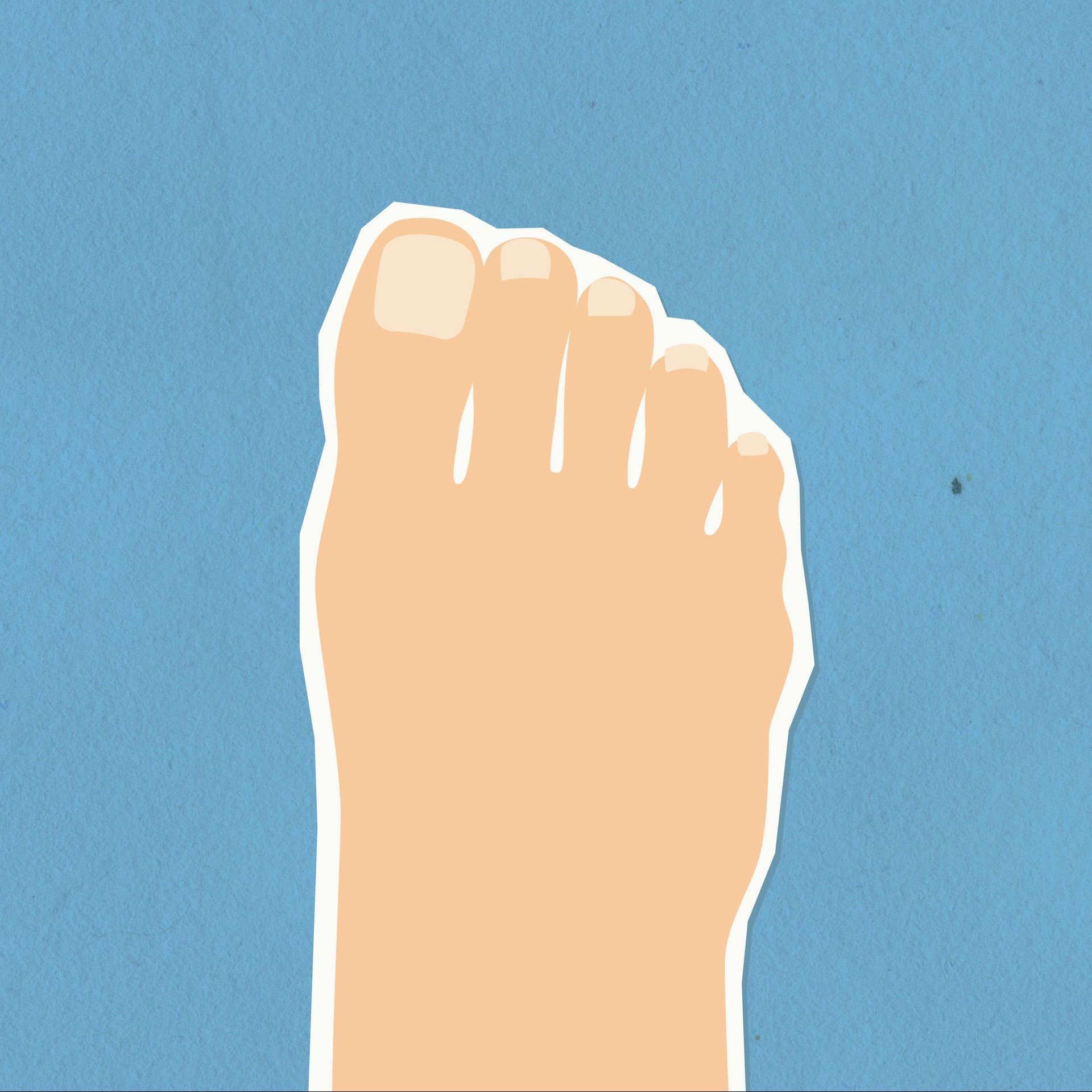
Bunionettes, also known as tailor’s bunions, are bony bumps that develop on the outside of the foot at the base of the little toe. While often confused with regular bunions, which affect the big toe joint, bunionettes are distinct in both location and cause. They tend to occur more frequently in women, particularly those who frequently wear high heels or tight, narrow shoes.
Recognising the Symptoms of Bunionettes
A bunionette typically presents as a visible lump near the fifth toe, often accompanied by pain, redness, swelling, and a burning sensation, especially when wearing restrictive footwear. Over time, the little toe may drift closer to the fourth toe, making the condition even more uncomfortable. In some cases, corns or calluses may develop due to continued friction against shoes.
What Causes Bunionettes to Develop?
There are several contributing factors:
- Genetics: Structural abnormalities in foot shape can be inherited, making some individuals more prone to bunionettes.
- Footwear Choices: High heels and narrow shoes put direct pressure on the outer foot.
- Foot Mechanics: Overpronation or other mechanical imbalances can shift pressure laterally, encouraging the development of bunionettes.
Non-Surgical Treatment Options
For many, conservative care offers significant relief:
- Footwear Adjustments: Choose shoes with a wide toe box and low heels.
- Protective Padding: Bunionette pads help reduce pressure and friction.
- Orthotics: Custom orthotics correct foot mechanics and redistribute pressure.
- Ice & Medication: Applying ice and using anti-inflammatories like ibuprofen can ease swelling and discomfort.
When to Consider Surgery for Bunionettes
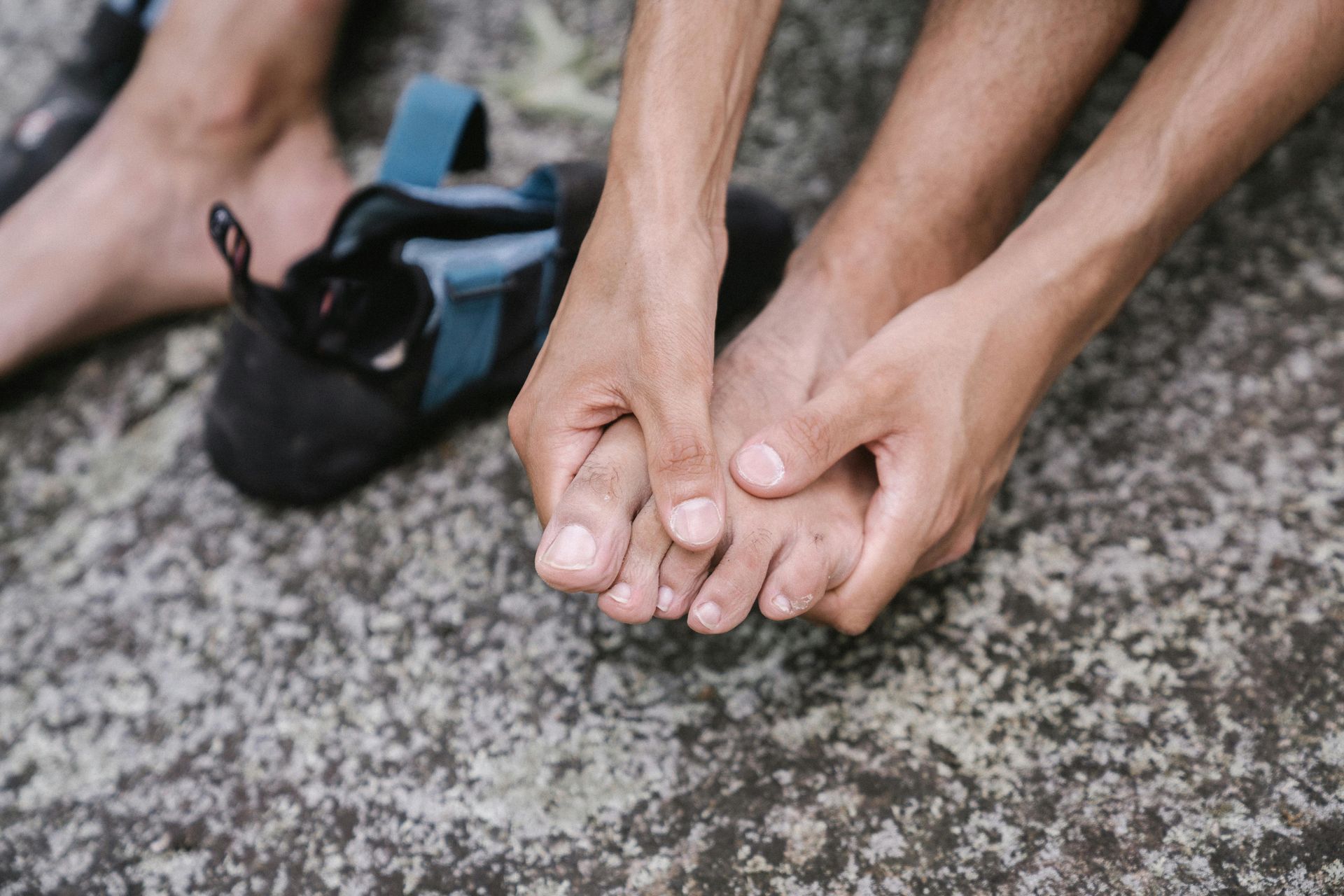
If pain persists despite non-surgical measures, surgical intervention may be required. The goal of surgery is to remove the bony bump and realign the fifth metatarsal, improving both function and appearance. Recovery time will vary, but most individuals return to full mobility with improved comfort.
Bunionette FAQ
What is a bunionette?
A bunionette, also known as a tailor's bunion, is a bony bump that forms on the outside of the foot at the base of the little toe. It is different from a regular bunion, which affects the big toe joint. Bunionettes are more common in women, particularly those who often wear high heels or tight, narrow shoes.
What are the symptoms of a bunionette?
The most common sign is a visible lump near the little toe, often with pain, redness, swelling and a burning sensation, especially in restrictive footwear. Over time, the little toe may drift towards the fourth toe, and ongoing friction against shoes can lead to corns or calluses on the area.
Can bunionettes be treated without surgery?
Yes, many people find significant relief with conservative care. Shoes with a wide toe box and low heel reduce pressure, bunionette pads protect the bump from friction, and custom orthotics help correct foot mechanics and redistribute pressure. Ice and anti-inflammatory medication can also ease swelling and discomfort. Surgery is usually only considered if pain persists despite these measures.
How can Foot Solutions Plymouth help with bunionettes?
Our team offers a free foot assessment with gait analysis to understand what is putting pressure on the outside of your foot. We then recommend comfortable, stylish footwear with room for your toes and, where needed, custom orthotics to relieve pressure. Visit us at 34 Royal Parade or call 01752 222660 to book your appointment.
Step into Comfort at Foot Solutions Plymouth
If you're struggling with bunionettes, the expert team at Foot Solutions is here to help. Through professional assessments, gait analysis, and tailored footwear recommendations, we’ll help you find lasting relief, without compromising on style or comfort.