
Plantar Fasciitis Plym Bridge: Biomechanical Analysis for Runners Who Want More Miles
Run the trails around Plym Bridge and heel pain keeps cutting your sessions short? You are dealing with one of the most common overuse injuries in distance running. Plantar fasciitis Plym Bridge runners experience often builds quietly over weeks of repetitive loading on uneven ground. Then it hits hard the morning after a long effort. At Foot Solutions, our biomechanical approach finds what is driving your foot pain, then fixes it at the source.
Stop letting heel pain steal your kilometres.
Why Plantar Fasciitis Plym Bridge Runners Cannot Afford to Ignore Heel Pain
The Plym Valley Trail is a much-loved route that passes through Plym Bridge Woods, managed by the National Trust. The terrain shifts between compact gravel, rooted woodland paths, and open riverside track. That variety of surfaces is what makes the area such a draw for trail runners. It is also why plantar fasciitis Plym Bridge cases escalate so fast when something in your gait is off.
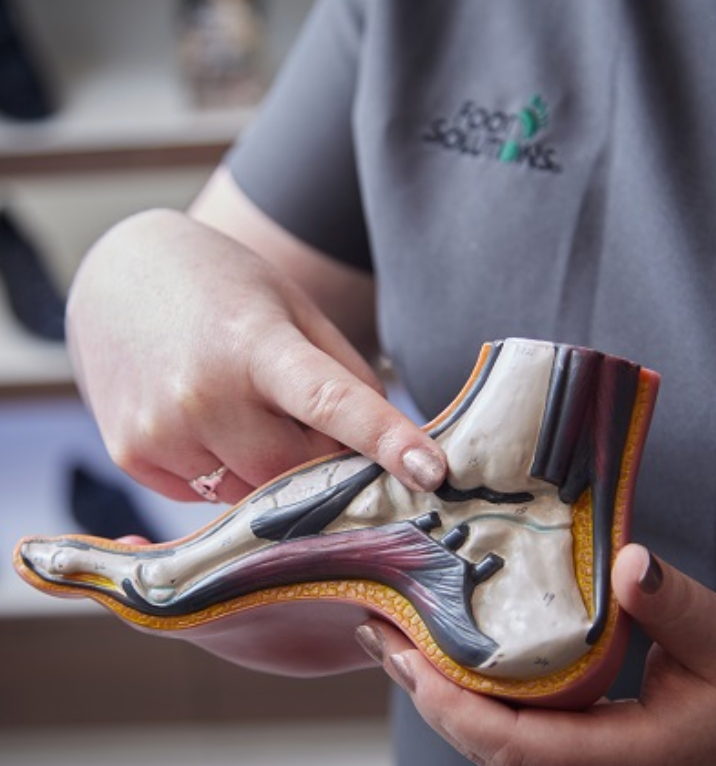
Every heel strike on that mixed terrain sends a load spike through the plantar fascia. That is the band of connective tissue running along the base of your foot. Repeat that a few hundred times per kilometre, add a training plan without enough recovery, and the fascia becomes inflamed. The pain that greets you on your first steps out of bed each morning is the result.
Plymouth is a city with serious running culture. The Plym Valley path from Laira Bridge to Clearbrook stretches roughly 29 kilometres return. Local runners get sustained mileage without leaving the city. That distance is a gift, but injuries compound fast if you carry a biomechanical problem into every session.
Foot Solutions works with runners who want answers, not advice to rest and wait. We assess the full kinetic chain from foot strike through the ankle, knee, and hip, then build a plan that addresses your foot pain and gets you back on the trail.
Plantar Fasciitis Plym Bridge: Our Core Services for Runners
Plantar Fasciitis Plym Bridge: Comprehensive Foot and Gait Analysis
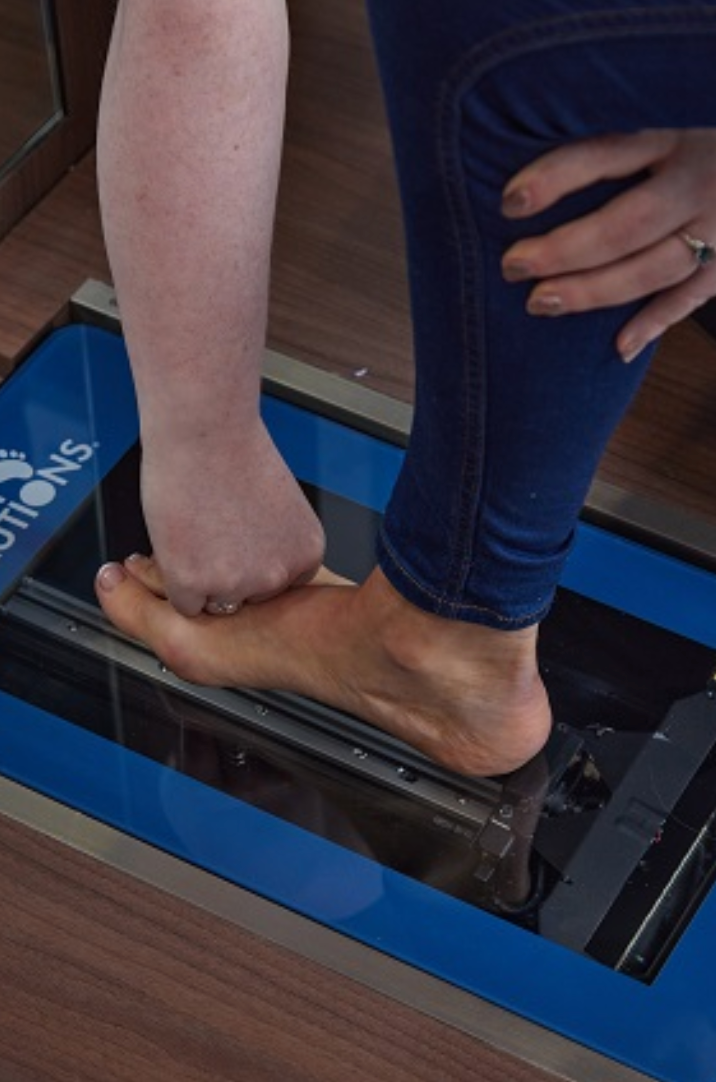
Before any treatment, we need to understand exactly how you move. Our gait analysis captures how your foot contacts the ground, where your arch loads, how your ankle pronates, and how forces transfer up the leg during each stride. For runners chasing pain-free kilometres on technical terrain, this is the diagnostic foundation that everything else builds on.
If you are searching for plantar fasciitis Plym Bridge treatment that goes beyond a generic insole recommendation, read more about our full approach to plantar fasciitis in Plymouth before booking. Runners dealing with similar overuse issues along connecting routes in Lee Moor can also find location-specific detail at /plantar-fasciitis-lee-moor.
Plantar Fasciitis Plym Bridge: Custom Orthotic Fabrication
A custom orthotic built for a runner does very different work from a cushioned insole. We fabricate devices that manage forefoot loading, control subtalar pronation, and reduce the tensile stress placed on the plantar fascia with every stride. The result is a device your foot can work with, not one it merely rests on.
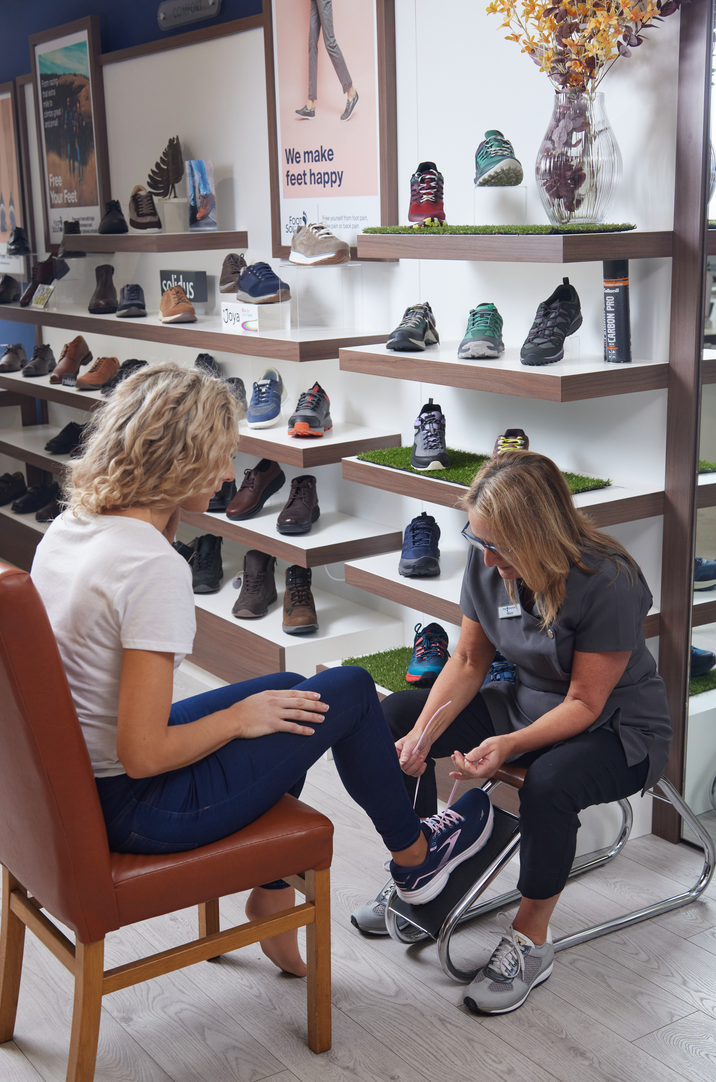


Plantar Fasciitis Plym Bridge: Expert Shoe Fitting
A gait analysis without proper footwear guidance leaves the job half done. We fit running shoes across a full range of widths, stack heights, and drop profiles. We find the combination that complements your orthotic and your stride. The wrong shoe can undo weeks of rehabilitation progress.
For those who also run across the Tamar into Cornwall, our Saltash page at /plantar-fasciitis-saltash covers how plantar fasciitis Plym Bridge patterns often follow runners over the bridge.
Plantar Fasciitis Plym Bridge: Targeted Condition Management
Plantar fasciitis responds best to a layered approach: load management, orthotic correction, and footwear adonlyment working together. We build a targeted programme around your training volume, your terrain, and your recovery timeline. That way you make progress without repeatedly falling back to square one.
Modifications and Refitting
We can often modify shoes you love rather than replace them. We also refit older orthotics as your gait improves, ensuring your support keeps pace with your progress. Visit the
Foot Solutions home page for the full picture of what we offer.
Why Runners Choose Foot Solutions Over Generic Foot Pain Clinics
Biomechanics first, products second.
We complete a full gait and load analysis before recommending any orthotic or footwear. You know what is causing your plantar fasciitis Plym Bridge symptoms before any purchase decision.
Built for running loads, not everyday wear alone.
Our assessment protocol accounts for the repetitive, high-impact nature of trail running, not just static standing posture.
Full kinetic chain assessment.
Plantar fasciitis Plym Bridge cases rarely start and end at the heel. We look at ankle mobility, knee tracking, and hip alignment because that is where many running injuries begin.
Custom fabrication, not off-the-shelf.
Every orthotic we produce starts from your specific foot measurements and gait data.
Shoe fitting expertise across width and volume.
Runners with wide, narrow, or high-volume feet get the same thorough attention as anyone else.
Ongoing refitting and adjustment.
We do not hand you a device and send you away. As your foot pain resolves and your gait changes, we adjust your support accordingly.

Ready to Run Plym Bridge Pain-Free? Book Your Plantar Fasciitis Assessment at Foot Solutions
Heel pain should not decide how far you run or which trails you take on. Foot Solutions is ready to help runners in Plym Bridge and across Plymouth's wider trail network get to the root of their plantar fasciitis and build a clear path back to full training.
If you are weeks into a plantar fasciitis Plym Bridge injury that will not shift, or you feel the warning signs building after a recent mileage increase, now is the time to get your gait and footwear assessed by people who understand how runners move.
Book your appointment now
and take the first step to lasting relief.
Plantar Fasciitis Plym Bridge for Runners:
Frequently Asked Questions
How does running form contribute to plantar fasciitis, and can a gait analysis pinpoint my problem?
Yes. Several gait patterns increase the load on the plantar fascia significantly. Overpronation causes the arch to drop with each step, stretching the fascia under load. A forward trunk lean shifts impact force toward the forefoot and heel. A low cadence with long, overstriding steps creates higher braking forces at ground contact. A full gait analysis films and measures how your foot, ankle, and leg move through the stride cycle, so the specific pattern driving your foot pain becomes visible rather than guesswork.
Is it safe to continue running with plantar fasciitis if I manage the load carefully?
In many cases, yes, with the right framework in place. Complete rest can slow tissue healing. Controlled load promotes recovery in connective tissue, so the key is reducing volume and intensity to a level where your symptoms do not worsen after a session. Build back gradually from there. That threshold differs between runners. A tailored programme built around your current pain levels and training history is far more useful than a blanket rest prescription.
What running shoe characteristics help reduce plantar fascia stress during training?
The most relevant factors are cushioning at heel strike, torsional stiffness through the midfoot, and an appropriate heel-to-toe drop for your stride. A shoe that is too flexible through the arch allows excessive bending force on the fascia. A drop that is too low for a heel striker loads the calf and Achilles, and that load transmits directly to the plantar fascia. Our fitting process matches these characteristics to your gait data, not brand marketing or generic trail shoe categories.
How are orthotics for runners different from standard comfort orthotics?
Running orthotics must function across a dynamic, high-speed gait cycle rather than a slow walk. They need to be lightweight, so they do not alter your shoe fit. They need to be rigid enough to control pronation under load. And they need to be durable enough to survive the mileage a trail runner puts through them. Standard comfort devices often use softer materials that compress quickly under running loads, and their corrective effect can fade within weeks. We fabricate running orthotics from materials specified for your weight, your weekly mileage, and the terrain you train on.
Can plantar fasciitis come back after it's healed if I return to running too quickly?
This is one of the most common patterns we see. The plantar fascia can feel fully recovered before the underlying tissue has regained its load tolerance. Returning to pre-injury training volume too fast overloads tissue that is not yet ready, particularly on hard or technical ground. A structured return-to-running plan, backed by continued orthotic use and regular footwear checks, cuts the risk of recurrence significantly.
How many sessions does it typically take to get custom orthotics built and fitted at Foot Solutions?
The process at Foot Solutions generally takes two appointments. The first covers your full foot and gait analysis, where we gather all the data needed to fabricate your device. Once your orthotic is ready, you attend a fitting appointment where we check fit, comfort, and function in your running shoes and make any necessary adjustments. We invite some runners back for a follow-up check after initial training use, particularly those returning from injury. Either way, the core process from assessment to fitted orthotic moves efficiently without cutting corners.
